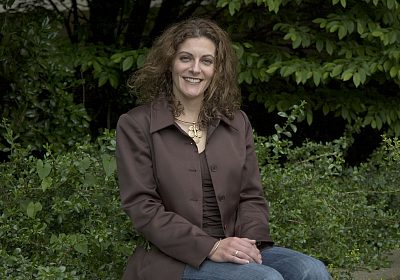
Health care was the primary issue on the minds of Washington state voters, according to a poll last January by the Working for Health Coalition. It鈥檚 also the primary issue on Amity Neumeister鈥檚 mind.
Neumeister is director of clinical systems development in the Office of Medical Affairs. She also co-organizes the Working for Health Coalition, an educational initiative comprising more than 30 organizations, with Dr. Bob Crittenden, chief of the Family Medicine Service at Harborview Medical Center.
Access to health care in Washington state has declined significantly in recent years, in large part due to budget shortfalls and program cuts. According to the Working for Health Coalition, more than half a million Washingtonians were uninsured in 2002. This number has grown each year since then; however, Neumeister is working to combat this trend so that more people have access to affordable health care.
鈥淚 think it鈥檚 a basic right we all deserve,鈥� Neumeister said. 鈥淚t鈥檚 something we obviously all need. If you鈥檙e having major health issues it鈥檚 hard to maintain a job, and if you can鈥檛 keep your job, you鈥檙e going to have a difficult time paying for health care. It鈥檚 a cyclical problem that can go downhill quickly if you don鈥檛 have access to health care.鈥�
Neumeister was introduced to the health care industry at an early age.
鈥淢y stepmother used to work in health care and I grew up helping her in the office,鈥� Neumeister said, 鈥渟o when it was time for me to look for a job, I naturally sought out health care.鈥�
After earning her MBA at the UW, she thought she might leave the health care field, but found she couldn鈥檛 stay away from it.
鈥淚 ended up only applying for jobs in health care,鈥� Neumeister said, 鈥淚 think for me, there is a definite draw to the industry.鈥�
For Neumeister, that draw is the feeling that comes from helping others.
鈥淜nowing that I鈥檓 helping people get access to care, that鈥檚 pretty fulfilling,鈥� Neumeister said. 鈥淎nd it is also good just raising people鈥檚 awareness about the state of health care right now. It鈥檚 great to have the opportunity to educate others.鈥�
Education also runs in Neumeister鈥檚 family. In 2002, her father and stepmother started Friends of Kenya Schools and Wildlife (FKSW), a non-profit organization that assists rural communities in Kenya to improve the educational opportunities for their children and to promote the preservation of wild animals. FKSW currently sponsors five primary schools in Kenya.
The idea for FKSW came when Neumeister鈥檚 parents went on safari in 2002 and visited a few schools along the way. Neumeister鈥檚 stepmother is a longtime educator at the University of Oregon. 鈥淲hen she saw the children there and the state of the schools, she felt really compelled to help,鈥� Neumeister said.
Last January, Neumeister and a group of five other volunteers went to Kenya for three and a half weeks to volunteer for FKSW. The group brought supplies and toys to each school and even started construction on one.
鈥淚n Kachuru, we started building a new school for the village,鈥� Neumeister said. 鈥淲e brought them school supplies and toys, and then basically started digging鈥攚e cleared the ground for the foundation and put in corner posts. We left supplies for the people to finish the construction, and when FKSW goes back in July, they鈥檒l check on the progress of the construction. It was a great trip.鈥�
Neumeister found the communities she visited very welcoming. She could tell that the kids and the villagers were genuinely grateful for the efforts of the FKSW volunteers.
鈥淚n each town, everybody came out and watched us pass out the materials and school supplies we were giving them. We brought biscuits, juice, bubbles and balloons for the kids to play with,鈥� Neumeister said. 鈥淚t was neat. Everybody watched and participated.鈥�
The population of each community was no more than 1,000, according to Neumeister, and each school had between 50 and 100 kids. There are about six kids at each desk 鈥渋f they鈥檙e lucky enough to have desks,鈥� Neumeister said. FKSW brought new desks for several of the schools.
FKSW also works to provide scholarships for students and salaries for teachers. Tuition costs $40 a year, which pays for books and a uniform. FKSW sponsors four to six kids in each school.
鈥淭he government is supposed to fund these schools but unfortunately a lot of the money oftentimes never gets to the schools,鈥� Neumeister said.
Neumeister estimates FKSW has raised more than $10,000 so far. Her parents go to Kenya once or twice a year for about three weeks, and are hoping to move there after retirement, Neumeister said. Beginning last year, volunteers have also come to visit all the schools and to take them materials and supplies, help with construction, and help the school plan for the next year.
鈥淚鈥檒l definitely go back to Kenya and help out with FKSW,鈥� Neumeister said. 鈥淥ne of my main life goals is to help others in my community and internationally. It鈥檚 a driving force for me.鈥�
Web sites for these organizations are at and
– By Ryan Lyse, News & Community Relations